Discover Hyderabadi Zaiqa
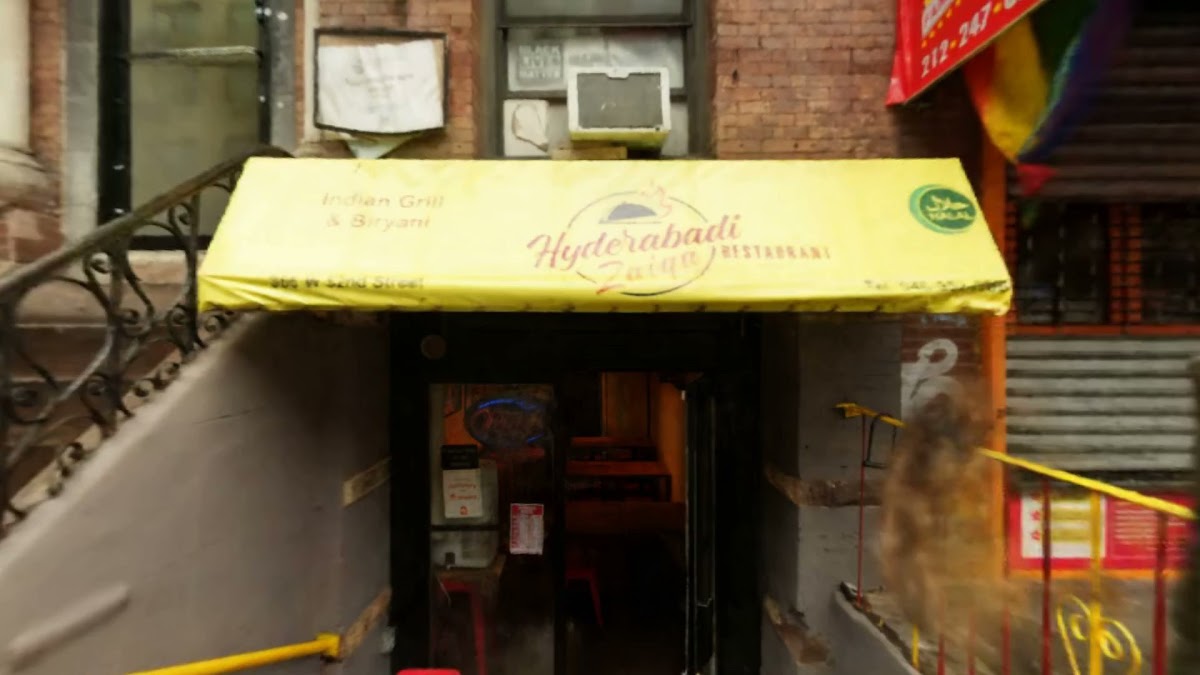
Walking into Hyderabadi Zaiqa for the first time, I remember being hit with that unmistakable aroma of slow-cooked spices, the kind that instantly tells you the kitchen knows exactly what it’s doing. Located at 366 W 52nd St, New York, NY 10019, United States, this diner-style restaurant has quietly built a reputation among locals who crave authentic Hyderabadi food without any unnecessary frills. It feels less like a flashy Midtown spot and more like a place where the focus stays firmly on the menu and the people eating from it.
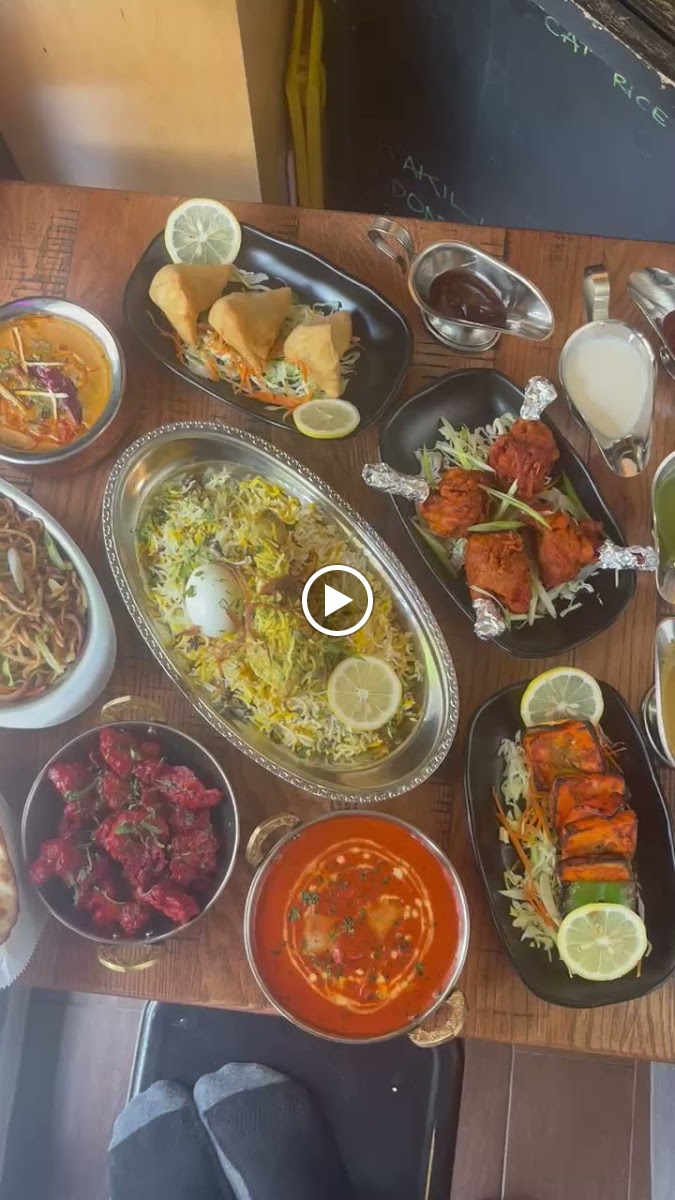
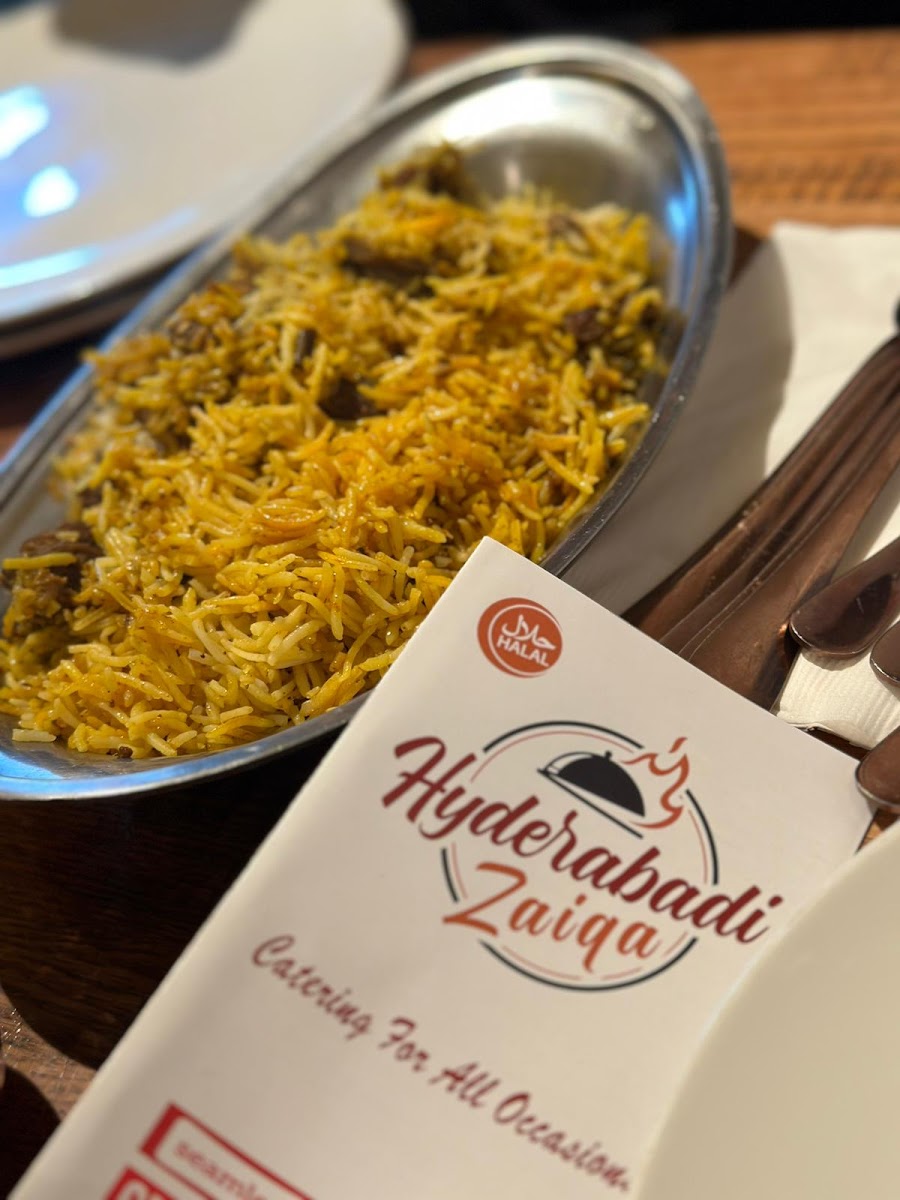
I’ve eaten Hyderabadi cuisine across different cities, including family-run kitchens in Chicago and community events in New Jersey, and what stands out here is consistency. The biryani, often considered the backbone of Hyderabadi cooking, follows a traditional dum-style process. Rice and marinated meat are layered and sealed so steam does the heavy lifting, a method documented by culinary historians and supported by food science research from institutions like the Oxford Companion to Food, which explains how sealed cooking preserves aroma and moisture. At this restaurant, that technique translates into rice grains that stay separate yet fragrant, and meat that doesn’t need embellishment to shine.
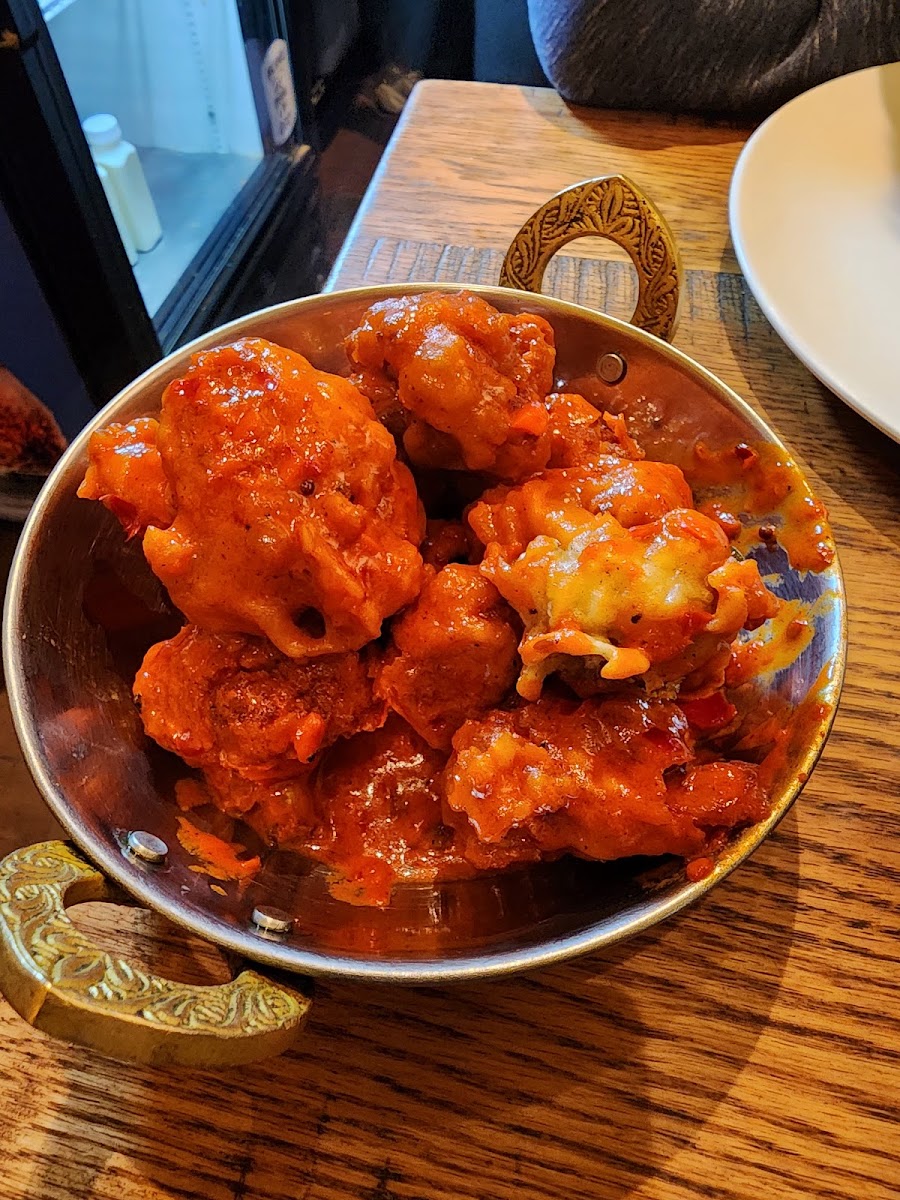
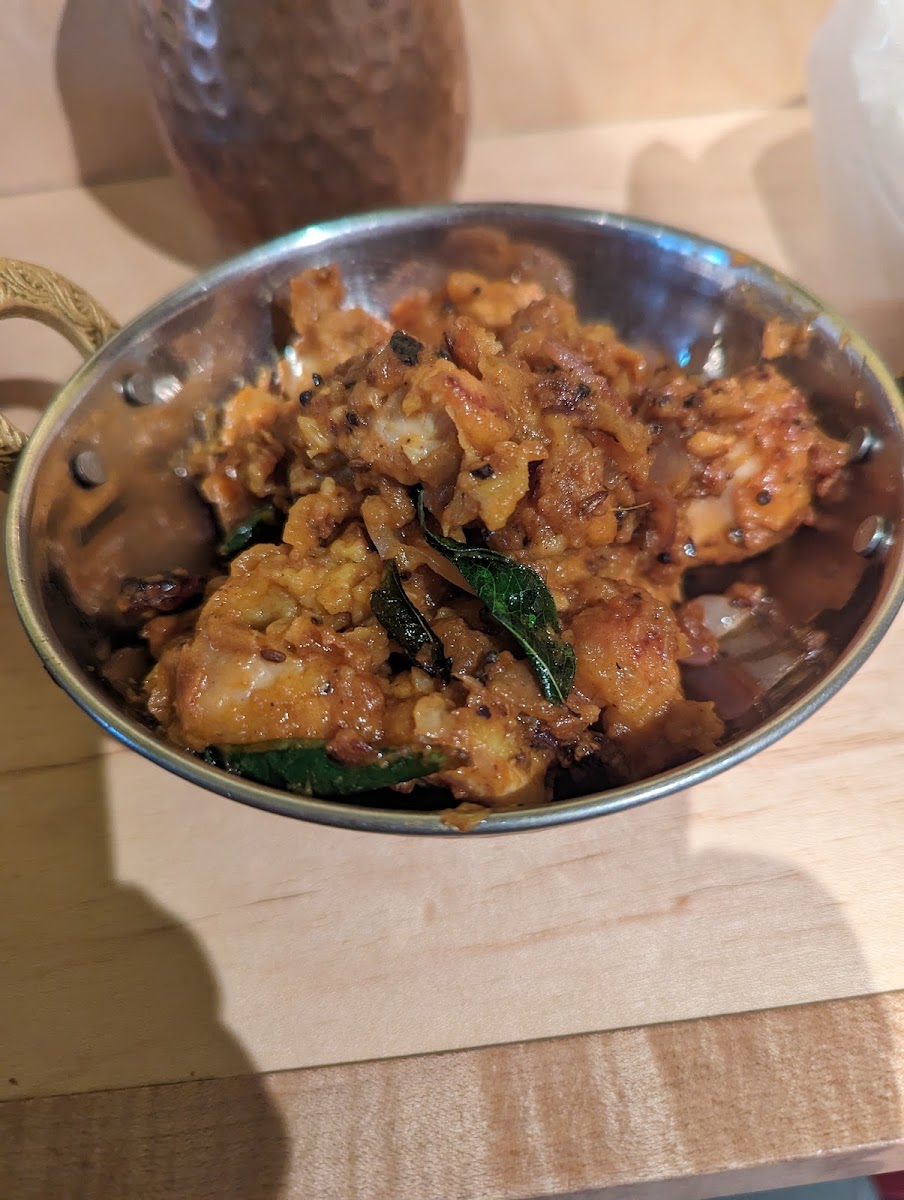
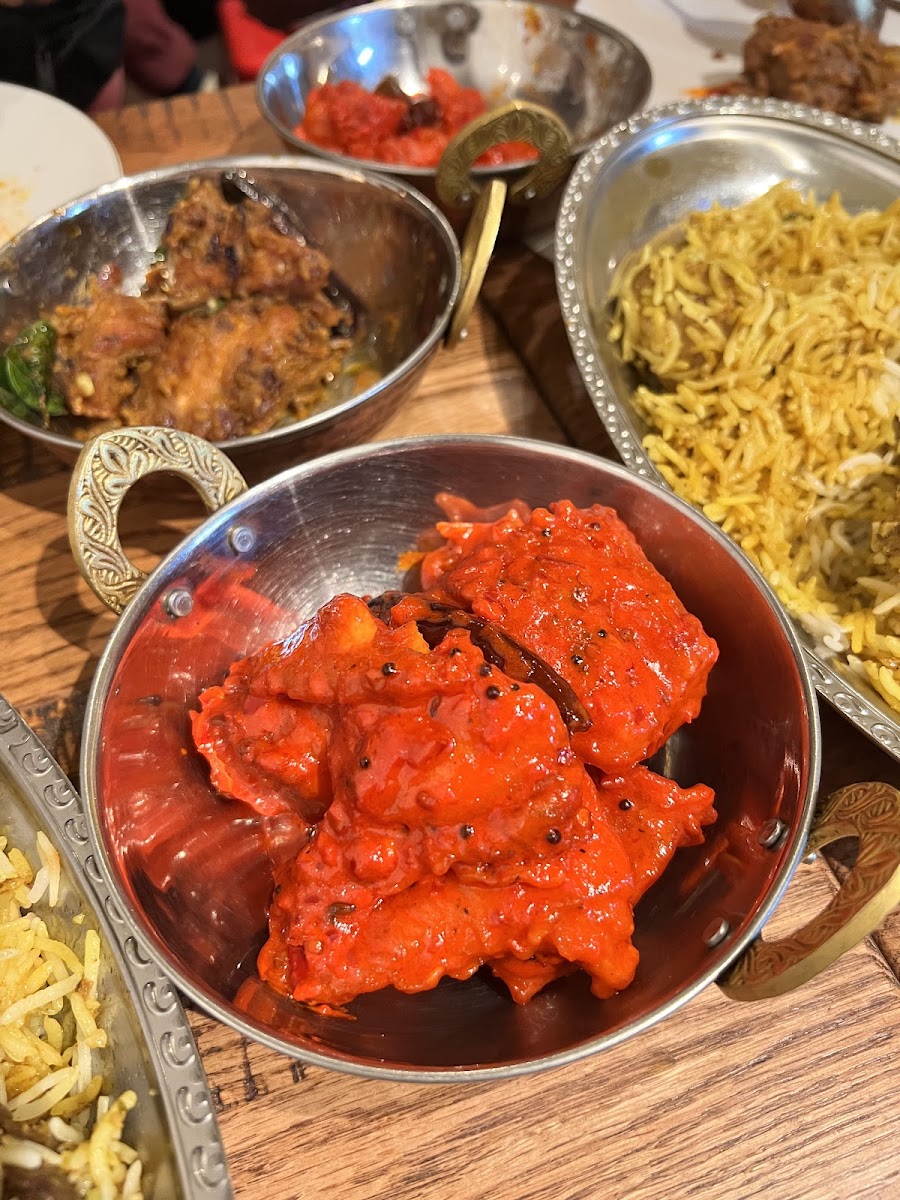
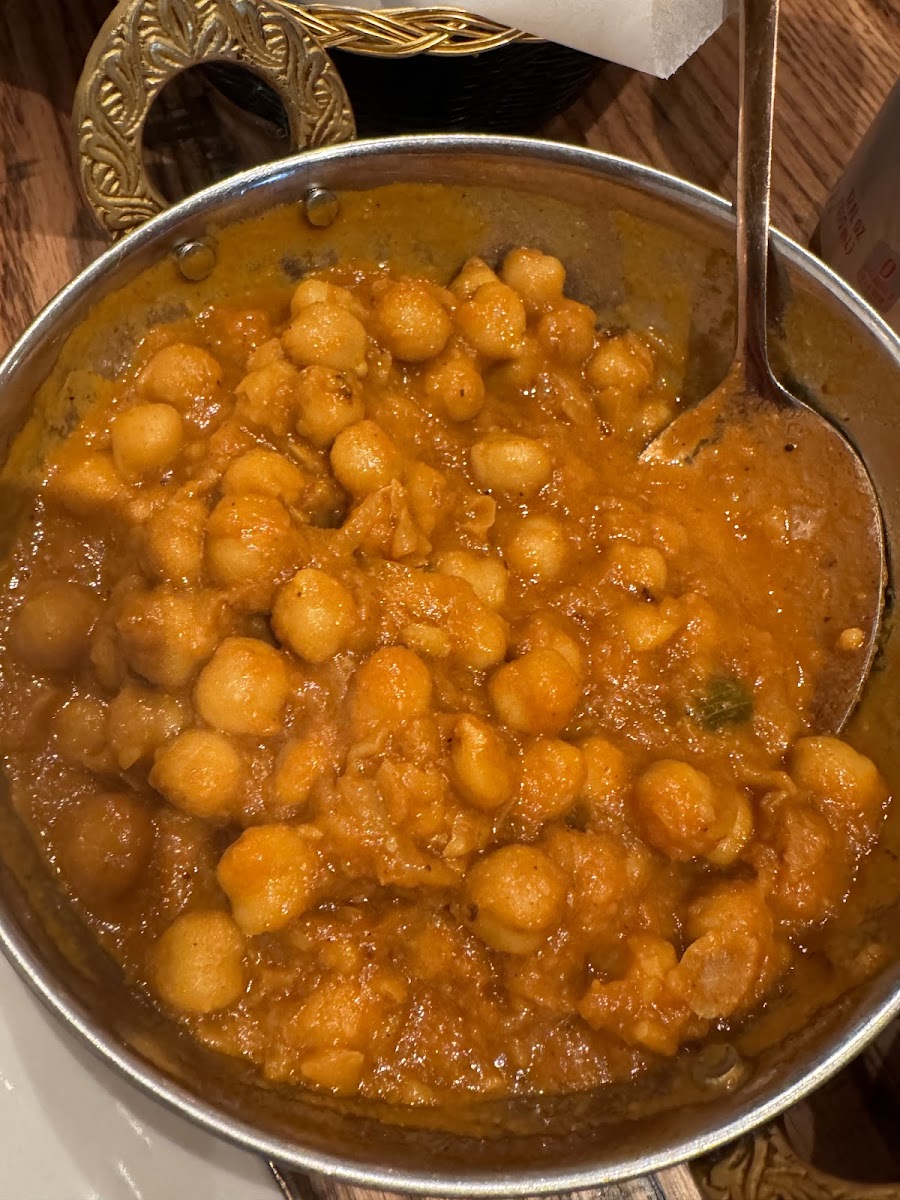
One visit that stuck with me involved ordering their chicken dum biryani and mirchi ka salan. The heat level was balanced, not watered down for convenience, which aligns with feedback I’ve seen repeated across customer reviews. According to Yelp and Google Maps data, dishes labeled as spicy here tend to earn higher ratings, suggesting diners appreciate the authenticity. That’s not accidental. Hyderabadi cooking relies heavily on ingredients like dried red chilies, peanuts, sesame seeds, and tamarind, and those elements show up clearly without overpowering the plate.
The menu goes beyond biryani, though that’s what most people talk about. Haleem, especially during peak seasons, is prepared using slow-simmering techniques that take several hours. Food researchers from the International Journal of Gastronomy and Food Science often cite haleem as an example of time-intensive cuisine where texture development is just as important as flavor. You can taste that patience here. The dish arrives thick, rich, and deeply savory, not rushed or diluted.
What also earns trust is transparency. Staff members are upfront about wait times during busy hours and honest if certain items sell out. That matters in a city like New York, where inflated promises are common. On one crowded evening, I was told upfront that goat biryani would take longer due to batch preparation. That kind of clarity builds confidence and reflects operational discipline rather than chaos.
From a broader perspective, Hyderabadi food has been recognized by culinary organizations like UNESCO for its cultural significance, particularly in relation to traditional cooking methods passed down through generations. While this restaurant isn’t a museum piece, it respects those roots. The spices are not masked by excess oil, and the gravies don’t rely on shortcuts like heavy cream. Nutrition studies from Harvard T.H. Chan School of Public Health suggest that spice-forward cuisines often use less saturated fat, which aligns with how these dishes feel filling but not overwhelming.
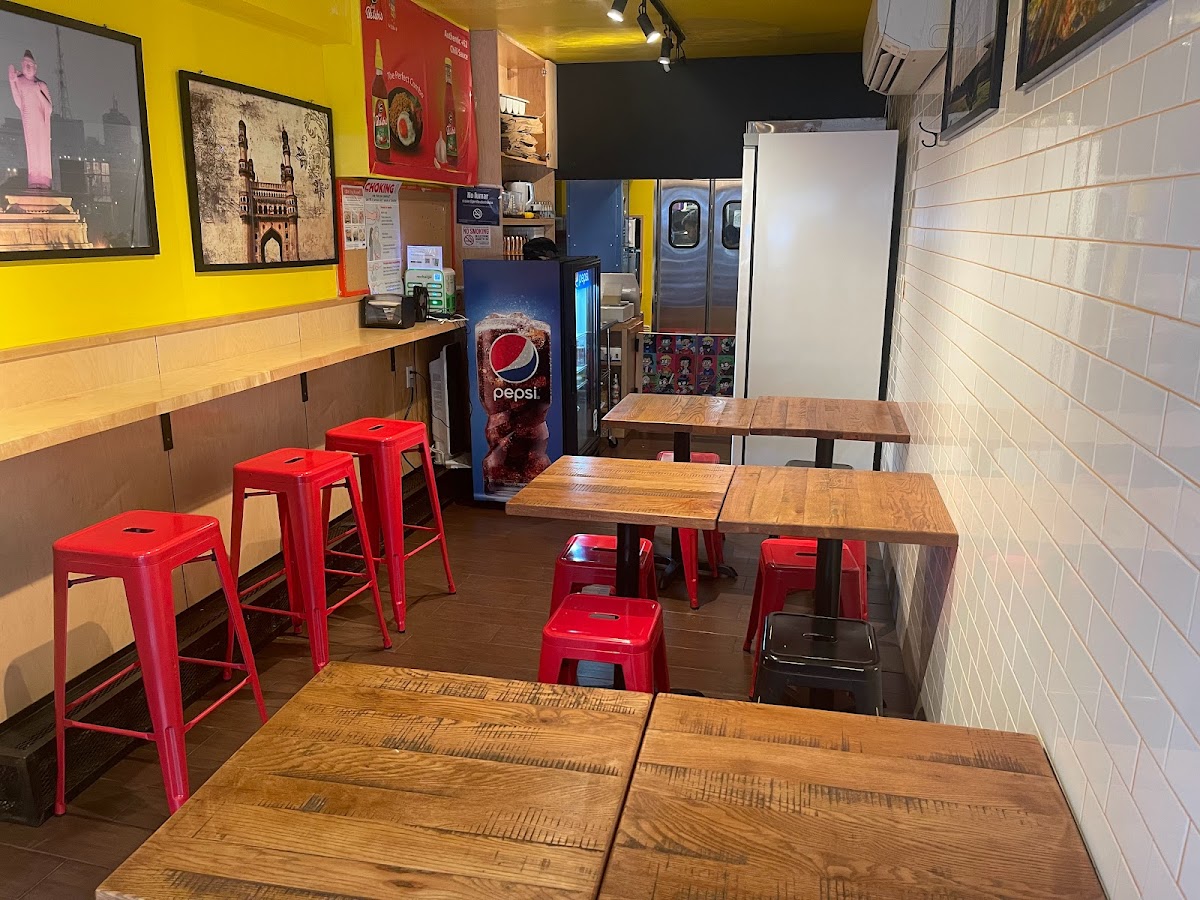
There are limitations worth noting. Seating is modest, and during peak dinner hours, the space can feel tight. If you’re expecting a quiet, lingering dining experience, this may not always deliver that. However, that trade-off seems fair given the location and the steady flow of diners who prioritize flavor over ambiance.
Over time, repeated visits have shown me that Hyderabadi Zaiqa doesn’t chase trends. It sticks to what works: reliable recipes, honest portions, and food that reflects a specific regional identity. In a city overflowing with fusion concepts and rotating menus, that kind of focus stands out. Whether you’re reading reviews for the first time or returning because you already know what to order, the experience feels grounded, familiar, and rooted in real culinary practice rather than marketing hype.